A negative self-talk checklist is a short list of common thinking patterns, such as catastrophizing or perfectionism, that you tick off when you catch yourself using them, so the habit becomes visible and easier to answer kindly. The eight on this page are the forms named by {MAYO}.
You can't answer a voice you haven't noticed yet.
Who this checklist is not for
Not a diagnosis
Not therapy
Not for a crisis
This is a self-reflection tool, not a test. It cannot tell you whether you have depression or anxiety. If harsh thoughts last for weeks, or you have thoughts of harming yourself, please talk to a doctor or a mental health professional; in the US you can call or text 988 any time.
This is general information, not medical advice. Talk to your clinician.
The full negative self-talk checklist
All eight patterns, each with an everyday example and a reply in the voice you would use with a friend.
Pattern
Sounds like
A kinder line
Filtering
The day went fine, but I only remember the one thing I got wrong.
Three things went fine today. One didn't. Both are true.
Personalizing
They cancelled. It must be something I did.
Plans change for a hundred reasons. I'm allowed to not be the centre of this one.
Catastrophizing
If this goes badly, everything falls apart.
If it goes badly, I'll handle the next step. I have before.
Blaming
I'd be fine if other people didn't mess things up.
Some of this isn't mine. The part that is, I can work on.
"Should" thinking
I should be further along by now.
I'm where I am. What's one small step from here?
Magnifying
That awkward comment is all anyone will remember.
It felt big to me. Most people are busy with their own day.
Perfectionism
If it isn't perfect, it isn't worth handing in.
Done and decent beats perfect and never.
Polarizing
I either nail this or I'm a failure.
There's a lot of room between nailing it and failing.
Mayo Clinic's rule for all eight: don't say anything to yourself that you wouldn't say to anyone else. Their guide also suggests stopping a few times a day to check what you are thinking.
Proof: where the kinder voice lives in Dear You
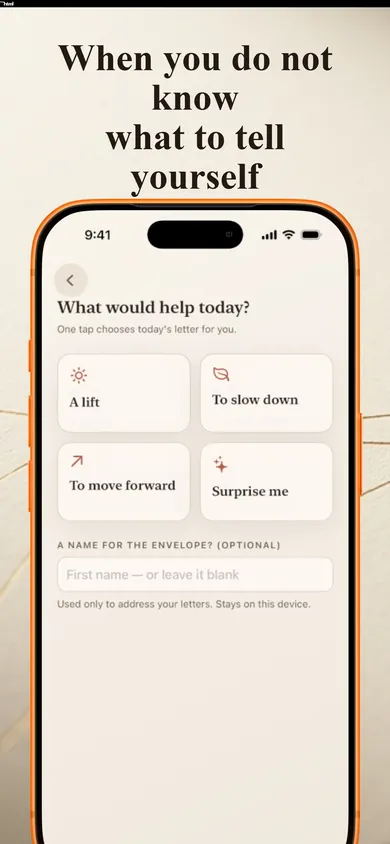
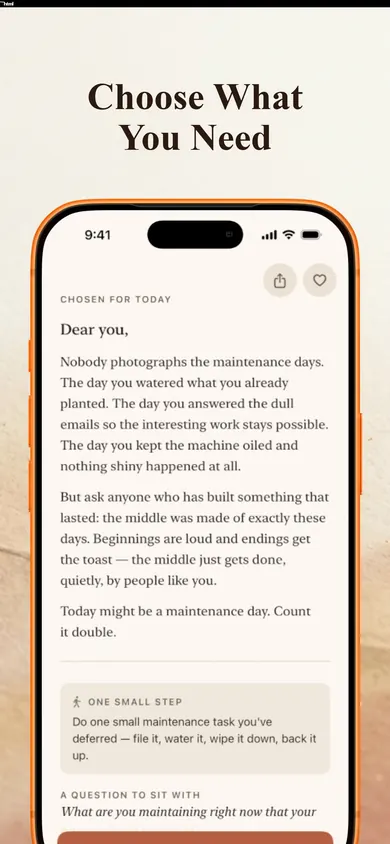
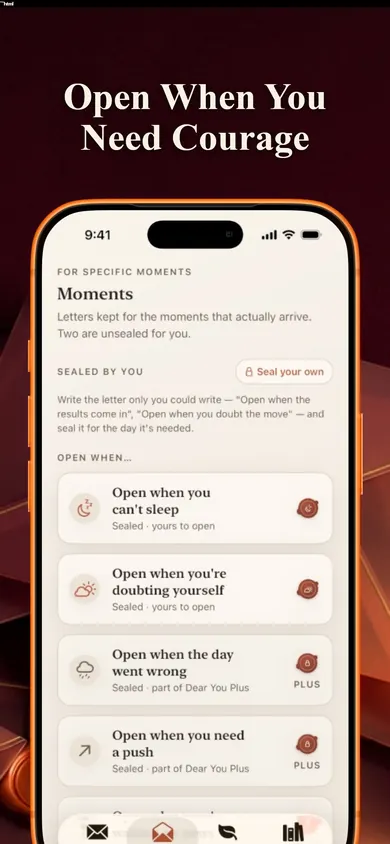
Pick what you need; a letter is chosen for it.Each letter ends with one small step and a question.Open When: sealed letters for hard moments.
Self-talk checklist questions
What are the types of negative self-talk?
Mayo Clinic's 2023 guide names eight common forms: filtering, personalizing, catastrophizing, blaming, 'should' thinking, magnifying, perfectionism and polarizing. The checklist on this page gives one everyday example of each.
How do I stop negative self-talk?
Mayo Clinic suggests checking your thoughts several times a day, and following one simple rule: don't say anything to yourself that you wouldn't say to anyone else. When a harsh thought shows up, answer it in the voice you would use with a friend.
How often should I use this checklist?
Once a week is plenty. Patterns are easier to see over a week than in a single bad hour. Notice which two or three come up most and practise kinder replies to those.
Is negative self-talk a sign of depression?
Harsh self-talk is common and does not by itself mean anything is wrong. If low mood, hopelessness or self-criticism last for weeks or get in the way of daily life, talk to a doctor or mental health professional. In a crisis in the US, call or text 988.
Can writing letters to yourself really help?
Writing gives the kinder voice somewhere to live. It is not a treatment, but a short letter in a friend's voice is a practical way to follow Mayo Clinic's rule of talking to yourself as you would to someone else.
Is Dear You free?
Your first daily letter, two Open When letters, one future letter waiting at a time, write-back notes, search, Face ID lock, PDF export and backup are free. Dear You Plus (annual or monthly) adds a fresh matched letter every day, the full Open When shelf, unlimited future letters, the Sunday letter and all seven Journeys.
A mini story: the Sunday tick marks
She did the checklist on a Sunday night and ticked three: "should" thinking, magnifying, perfectionism. All three were about work. On Monday morning she opened Dear You, tapped A lift, and wrote one line back under the letter's question: "I'm allowed to hand in a decent draft." She sealed an Open When envelope for the next time she doubted herself.
An illustrative scenario we wrote, not a user story.
Your result, turned into a weekly habit
A checklist works once. A habit works for months. Here is the routine we would build from your ticks:
Pick the pattern you ticked most.
Write its kinder line somewhere you will see it.
Each evening, notice once whether it showed up. No scoring.
On Sunday, redo the checklist and compare.
How Dear You helps, in 3 steps
Choose what you need. A little encouragement, calm, a fresh start, courage, gratitude or a surprise. Dear You opens an original letter chosen for it, with one small doable step.
Write back. Answer the letter's question privately, in your own words. That reply is your kinder voice, on the page.
Seal one for later. Write an Open When letter for "doubting yourself" and open it when the critic gets loud.
One design decision we made: no streaks. Consistency Blooms grow from days you actually use and nothing resets, because a self-criticism tool that punishes a missed day would be its own kind of negative self-talk.
Free vs Plus: your first daily letter, two Open When letters, one future letter at a time, write-back notes, search, Face ID lock and PDF export are free. Dear You Plus adds a fresh matched letter every day, the full Open When shelf, unlimited future letters and all seven Journeys.
Gratitude letter to yourself: myths vs researchDaily gratitude lists can backfire. What the research says about gratitude letters, how often to write one, and a 5-week Thanksgiving-to-New-Year plan.